
The Countries With the Longest Lifespans — and 3 Facing a Decline
Have you ever wondered why some people live past 80, while others do not? Many people think it is only because of good genes or luck. But the country where you are born can also make a big difference.
Things like healthcare, clean water, healthy food, safe neighborhoods, and good living conditions all matter. In some countries, people often live long and healthy lives. In other places, life expectancy is much lower.
The difference between countries can be very large, sometimes close to 30 years. That means where you live can affect your lifespan in a big way. Let’s take a closer look at which countries have the longest life expectancy and why.
Monaco: The Tiny Principality With the Longest Lives

Residents of Monaco live longer than almost anyone else in the world. The average life expectancy there is about 86.5 years. Women live around 90 years on average, while men live about 84 years. These numbers are higher than most other countries.
This is not only because of the sunny weather. Monaco is a very wealthy country with excellent healthcare. The system focuses on regular checkups, early testing, and preventive care. People have access to high-quality medical services, which helps them stay healthy as they age.

Lifestyle also plays an important role. Many residents follow a Mediterranean-style diet that includes seafood, fresh fruits, vegetables, and healthy fats. Combined with strong public services and comfortable living conditions, these factors support longer and healthier lives.
San Marino: Europe’s Longevity Secret

San Marino ranks just behind Monaco with an average life expectancy of about 85.8 years. This small European republic shows that size does not limit success when it comes to health and longevity.
The country provides universal healthcare and places strong focus on prevention. Regular medical checkups, early care, and accessible services help people stay healthier for longer. It is not only about advanced technology, but about consistent and reliable care for everyone.

Good income levels, access to clean water and quality food, and a culture that encourages walking and physical activity also make a difference. The blend of traditional lifestyle habits and modern healthcare support creates conditions that help many residents enjoy long, healthy lives.
Hong Kong: Asia’s Life Expectancy Leader

Hong Kong ranks third in the world with an average life expectancy of about 85.6 years. This is especially impressive because it is one of the most densely populated urban areas on the planet.
The region has one of the lowest infant mortality rates globally and strong child healthcare services. Good medical care from an early age helps build a strong foundation for longer lives. Residents also benefit from access to quality education, clean water, and safe food supplies.

What surprises many people is that Hong Kong spends a smaller share of its economy on healthcare compared to some larger countries, including the United States. Even so, its efficient healthcare system and overall living standards help deliver excellent results in life expectancy.
Japan: Where Traditional Diet Meets Modern Medicine
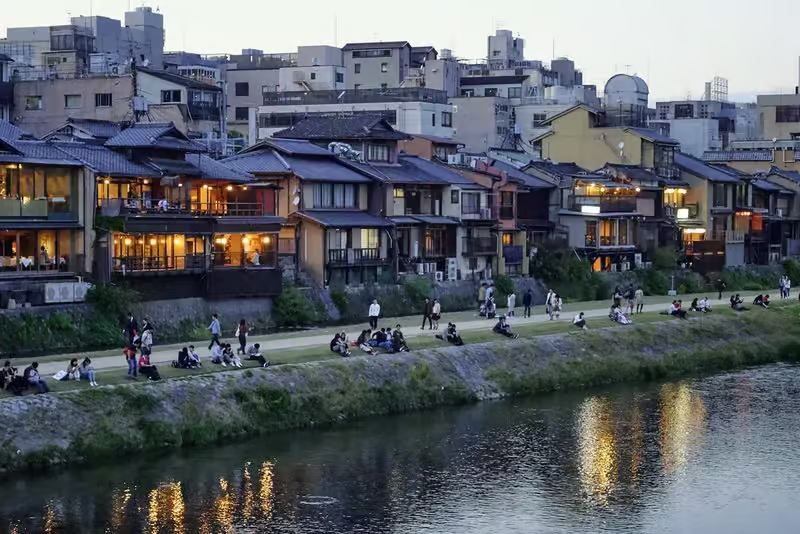
Japan has one of the highest life expectancies in the world, at about 84.95 years. Women live close to 88 years on average, while men live nearly 82 years. These numbers place Japan among the global leaders in longevity.
Diet plays an important role. Many people in Japan eat plenty of vegetables, fruits, fish, and grain-based foods. Meals are often balanced and portion sizes are moderate. This steady, healthy eating pattern supports long-term wellness.

Public health policies also make a difference. Decades ago, the government invested in childhood vaccination programs and universal health insurance. At the same time, daily movement is part of normal life. Many older adults stay active through walking, cycling, and community activities, which helps support both physical and mental health over time.
South Korea: The Fastest-Growing Life Expectancy

South Korea has an average life expectancy of about 84.14 years. Men live around 80.83 years, while women reach about 87.23 years. These numbers place the country among the global leaders in longevity.
What makes this even more impressive is how quickly things have changed. In 1960, life expectancy was close to 52 years. In just a few decades, it increased by more than 30 years. This kind of progress is rare and shows how much improvement is possible over time.

Better nutrition, improved food systems, and stronger access to healthcare and social services have all helped. Public health programs and steady economic growth also played a role. Many experts believe South Korea could rank among the very top countries for life expectancy in the coming years.
Switzerland: Alpine Air and Universal Healthcare

Switzerland has an average life expectancy of about 84.38 years. Women live around 86 years on average, while men live about 82.6 years. These numbers place Switzerland among the top countries in the world for longevity.

The country combines strong public policy with high living standards. Its healthcare system focuses on both prevention and treatment, helping to identify health concerns early. Access to quality medical care and stable income levels support long, healthy lives.
Environmental and lifestyle factors also make a difference. Clean air, access to outdoor activities, and a culture that values balance between work and personal time all contribute to overall well-being. Together, these elements help explain Switzerland’s consistently high life expectancy.
Singapore: The Engineered Blue Zone

Singapore ranks among the top countries for life expectancy at about 84.27 years. This modern city-state is often highlighted for its forward-thinking approach to public health and long-term planning.
Singapore has been recognized as one of the world’s newer Blue Zone locations, meaning it supports long and healthy lives. Through strong healthcare policies, smart nutrition campaigns, senior support programs, and access to green spaces, the government has actively encouraged healthy aging. Unlike traditional longevity regions that developed over centuries, Singapore built its system through intentional policy choices.
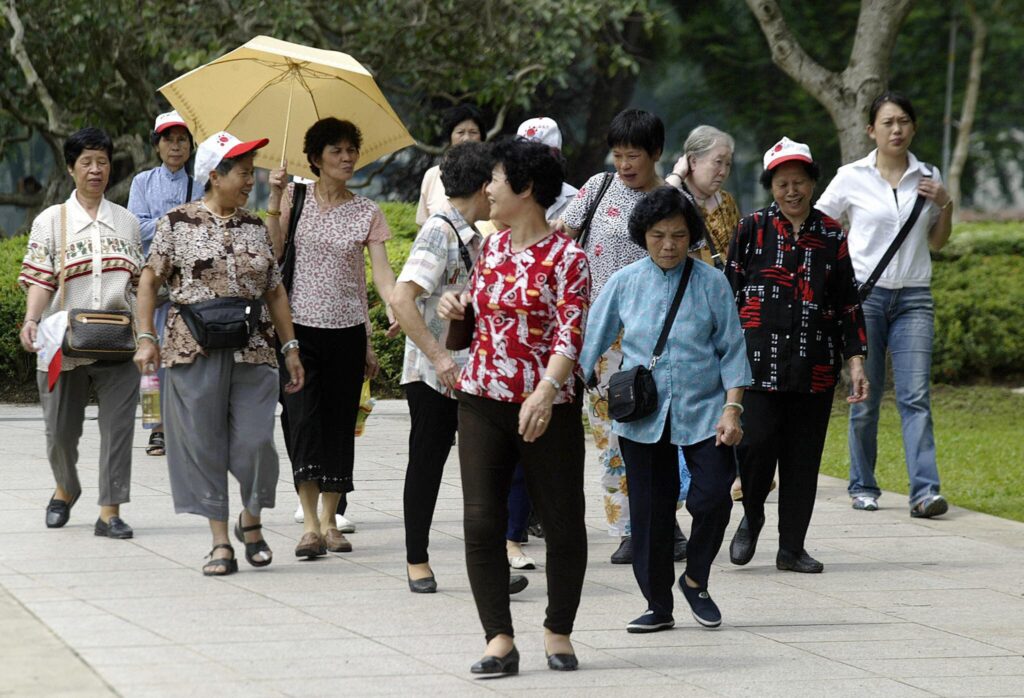
The results are clear. Life expectancy has steadily increased, and the number of people living past 100 has grown significantly over the past decade. Singapore shows that with consistent planning and investment, a country can improve population health within a single generation.
Italy: Mediterranean Lifestyle at Its Finest

Italy has an average life expectancy of about 84.20 years. This strong performance is often linked to long-standing food traditions and a lifestyle centered on balance and community.
Many experts point to the Mediterranean-style diet as a key factor. Fresh vegetables, olive oil, whole grains, seafood, and moderate portions are common parts of daily meals. Eating is often a relaxed, social experience shared with family and friends, which may also support overall well-being.
One region in particular, Sardinia, has been identified as one of the original Blue Zones, areas known for a high number of people who live to 100 and beyond. In Italy, healthy food, strong family ties, and an active lifestyle work together to support longer, healthier lives.
Australia: Sun, Sport, and Social Medicine

Australia has an average life expectancy of about 84.1 years. The country combines strong healthcare services with an active outdoor lifestyle that supports long-term health.
Australia’s universal healthcare system helps ensure people can access medical care regardless of income. Preventive programs, regular screenings, and public health campaigns — including strong skin health awareness — all play an important role. These efforts help identify health concerns early and promote healthier habits.

Lifestyle also makes a difference. Many Australians spend time outdoors, whether walking, swimming, or playing sports. With generally low pollution levels in many areas and a culture that encourages physical activity, the country creates an environment that supports healthy aging across generations.
The United States: Declining Despite Wealth

According to recent data from the United Nations, the average life expectancy in the United States is about 79.5 years. Women live around 82 years on average, while men live about 77 years. In 2023, overall life expectancy rose to 78.4 years, but it still remains below the average of other similar high-income countries.

Between 2019 and 2022, the U.S. saw a sharper decline in life expectancy compared to many peer nations. Recovery has been slower as well. Public health challenges during the global pandemic played a major role in this temporary drop.
Several long-term factors also affect longevity in the United States. Diets high in processed foods, lower levels of physical activity, tobacco and alcohol use, and high rates of chronic conditions such as obesity and diabetes all contribute. Despite spending more on healthcare than many comparable countries, outcomes do not always match that investment. Strengthening preventive care and coordinated public health efforts may help improve results over time.
Russia: A Mortality Crisis Decades in the Making

Life expectancy in Russia was about 73.25 years in 2023. This was only a small increase from the year before. While the number may look stable at first glance, it reflects long-term challenges that have affected the country for decades.

In the early 1990s, life expectancy dropped sharply during a period of major economic and social change. The decline was especially noticeable among working-age adults. Health conditions such as heart disease and other preventable illnesses played a large role during that time.
Several factors continue to influence life expectancy today. High rates of tobacco and alcohol use, limited access to preventive care in some areas, and economic stress have all had an impact. Recent geopolitical tensions have also affected population trends, particularly among men. Together, these issues help explain why life expectancy remains lower than in many other developed nations.
Nigeria: Africa’s Lowest Life Expectancy

Nigeria has one of the lowest life expectancies in the world at about 54.78 years. For girls born there in 2023, average life expectancy was around 54 years. The gap between Nigeria and the world’s longest-living countries is more than three decades.
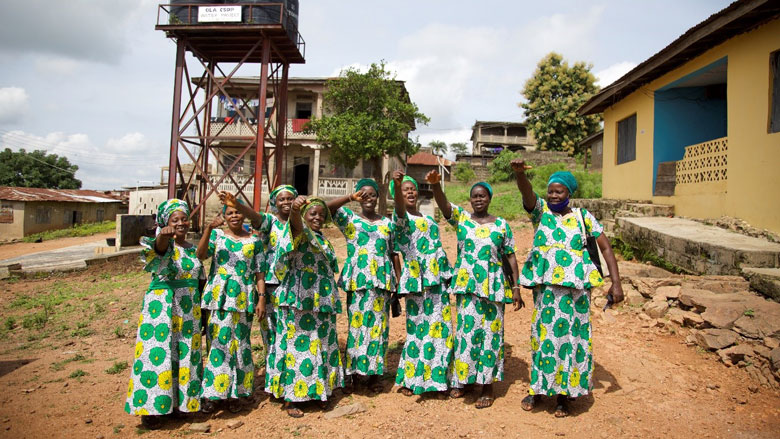
Chad reports an even lower average at about 53.68 years. Ongoing conflict, widespread poverty, and limited access to quality healthcare all affect long-term health outcomes. In both countries, challenges such as under-resourced medical systems, high infant mortality, infectious diseases, and malnutrition continue to impact lifespan.
Where a person is born still plays a major role in how long they are likely to live. The difference between the highest and lowest life expectancy countries reflects access to healthcare, nutrition, public health systems, and stable living conditions. At the same time, global life expectancy overall has improved significantly over the past several decades, and many nations continue working toward longer, healthier lives for their populations.